My weekend adventures in Japan didn’t stop with the trip to Kanazawa, as during the 3 months spent there some more weekend trips followed to some of the most picturesque spots on my bucket list in the center of the country.
Nakasendo
The Nakasendō was one of the major highways connecting Kyoto and Tokyo (then called Edo) during the Edo Period (1603–1868). This historic route stretched over 500 kilometers through the mountains and passed through 69 “post towns,” where travelers could rest along the way. Today, preserved sections of the trail—especially in the scenic Kiso Valley—take visitors back in time by offering the chance to walk between beautifully restored post towns such as Magome-juku and Tsumago-juku, just as a samurai would have done a few hundred years ago.
My hike along the famous stretch between Magome-juku and Tsumago-juku began with a misunderstanding about the drop-off location by my taxi driver in Nakatsugawa, which was once the 45th of the aforementioned post towns and is now a major city in Gifu Prefecture. Because of this mix-up, my planned 7 km hike turned into an almost 20 km journey—but every meter was well worth it. I walked through lush forests, rice fields, and, of course, the beautiful post towns that made me regret not becoming a samurai 400 years ago.
The evening before the hike, I explored the town of Nakatsugawa, which I found very pleasant thanks to its tranquility and the well-preserved section of its old town. One day, this town will also become an important hub for the Chūō Shinkansen, the famous magnetic-levitation train line.
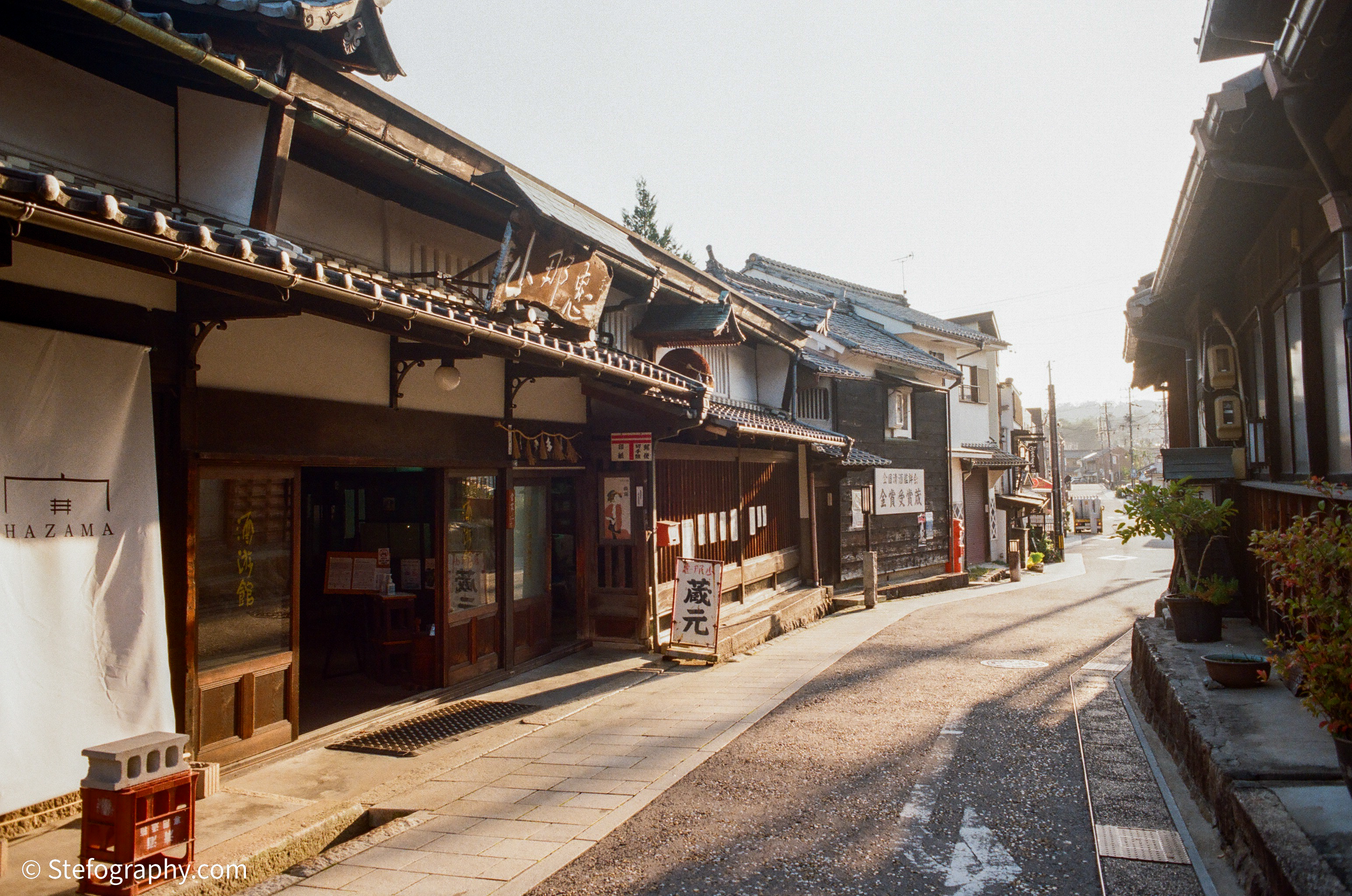
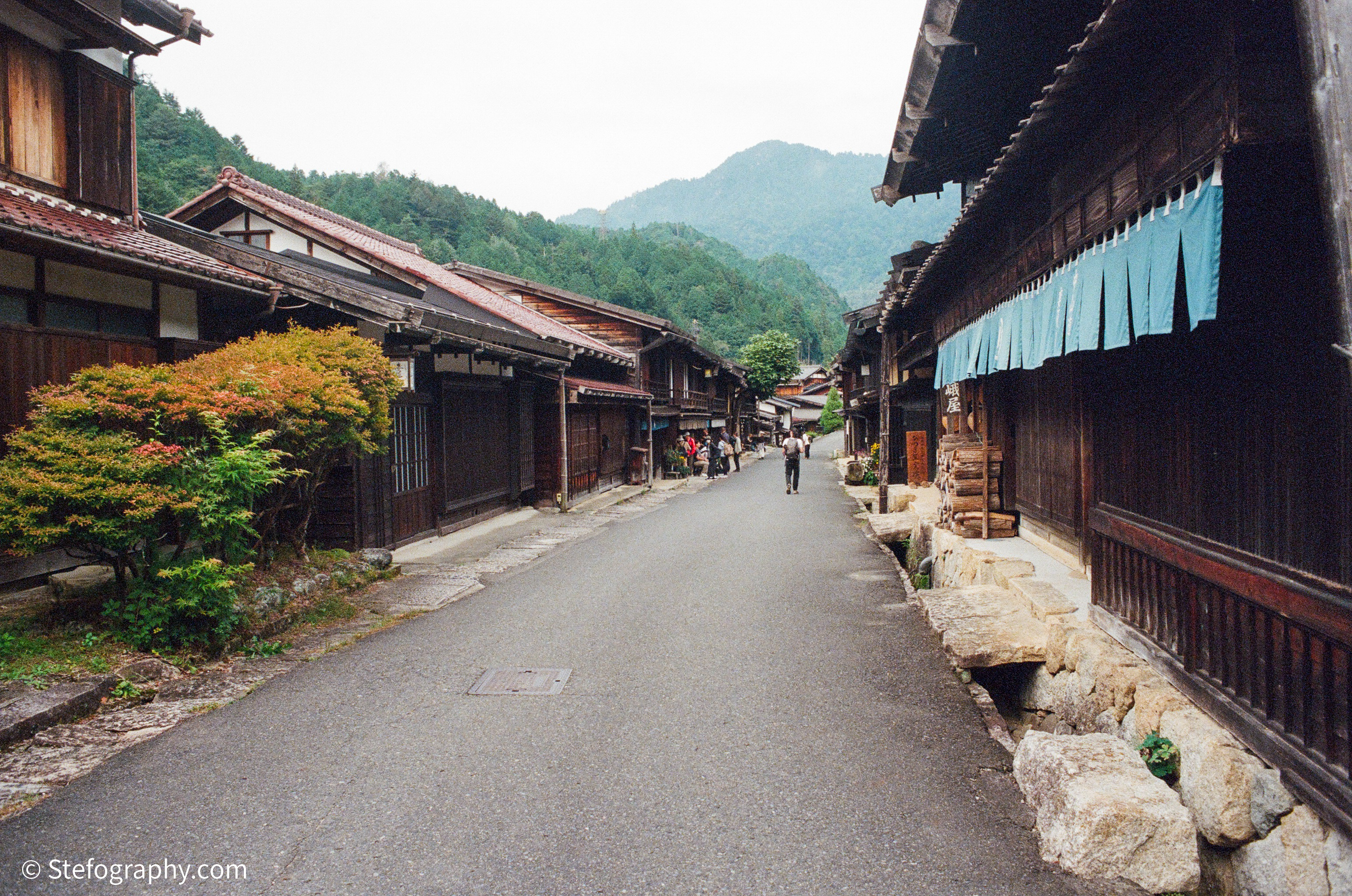
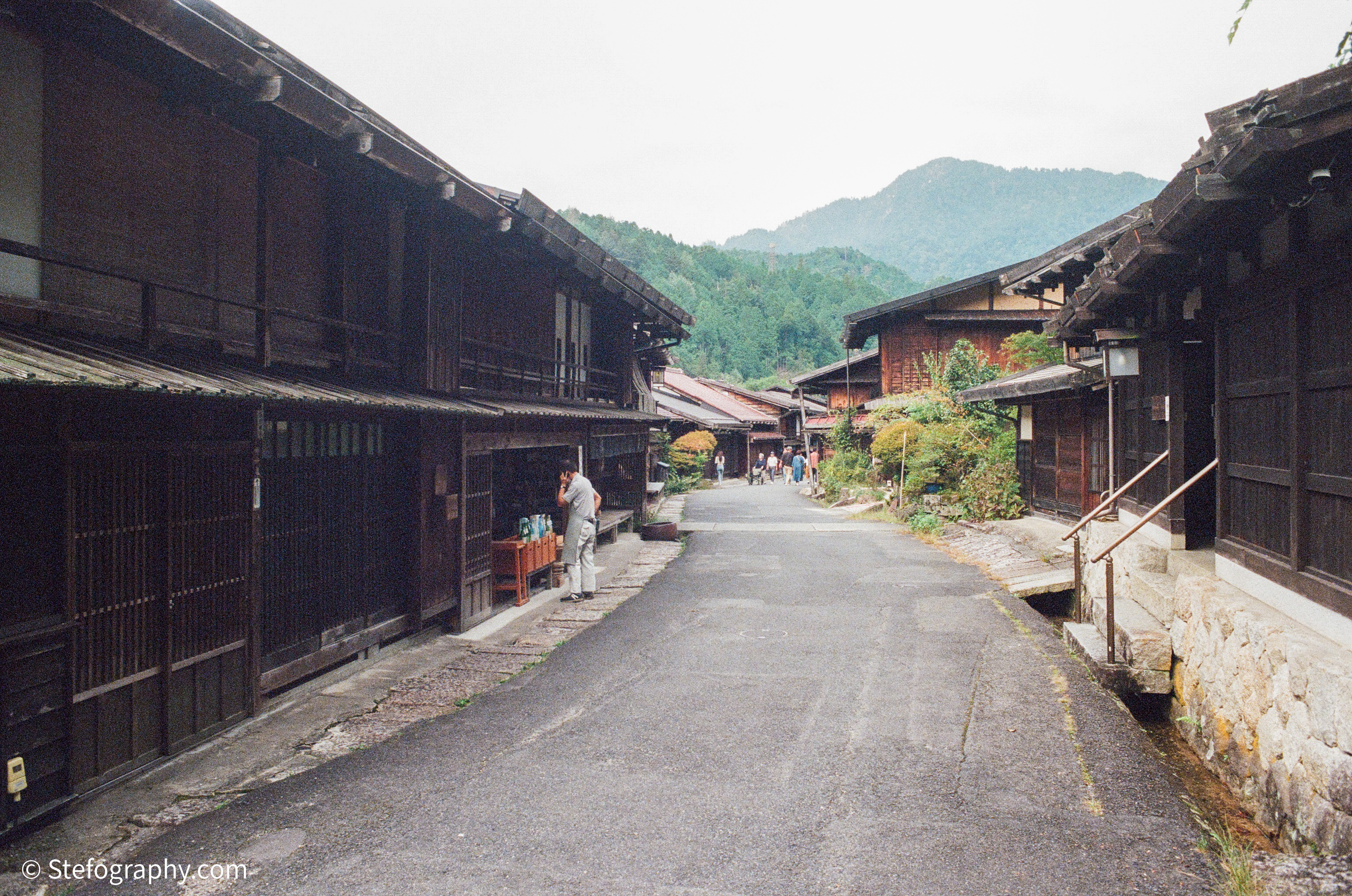
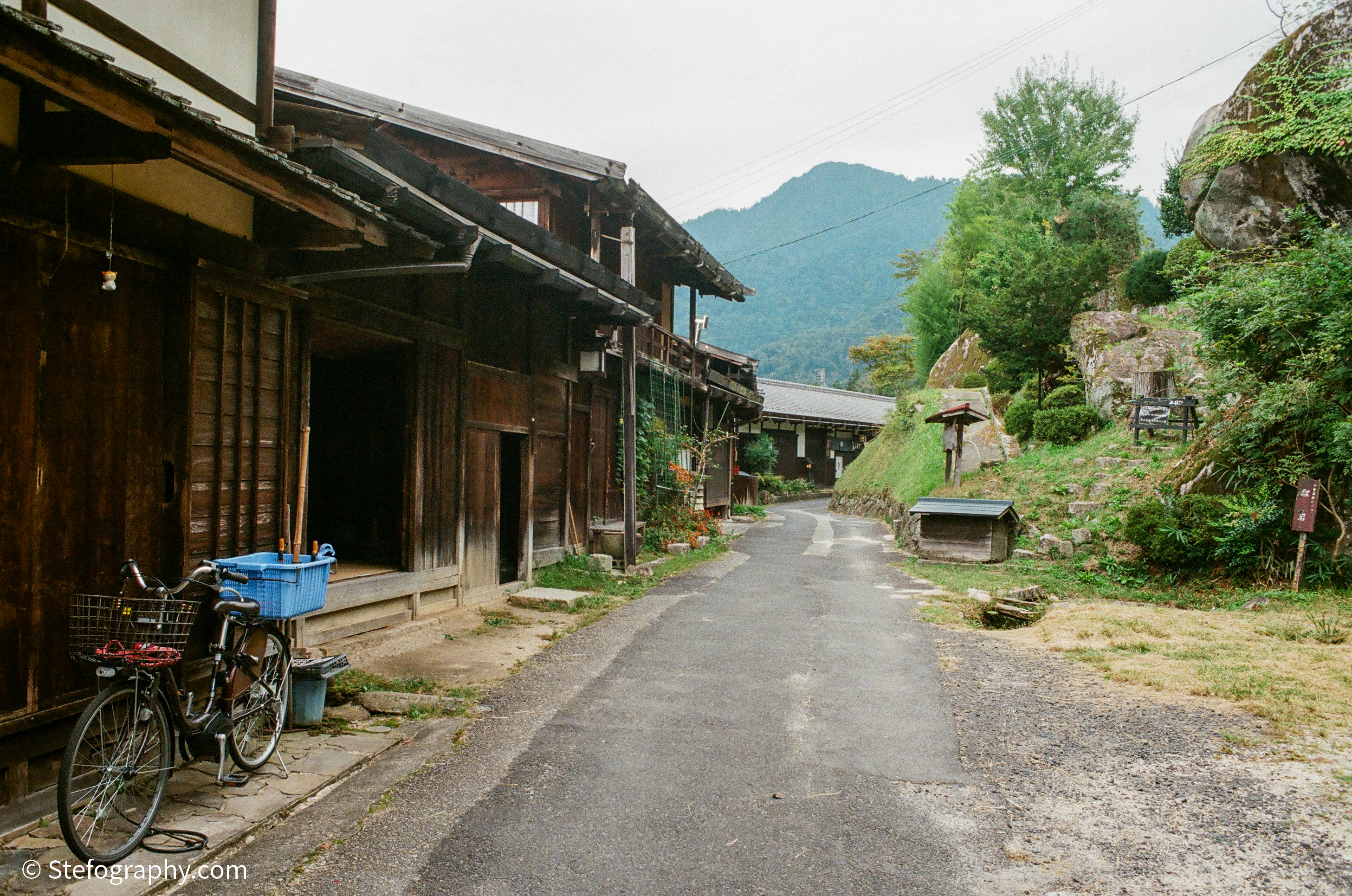
Magome-juku was the 43rd of the post towns, and when I arrived early in the morning, the town was wrapped in a serene atmosphere, with fellow tourists only just beginning to wake up. Historic buildings line the town’s steep, cobblestone street, where former rice-grinding watermills now generate electricity, all set against a backdrop of stunning mountain views.
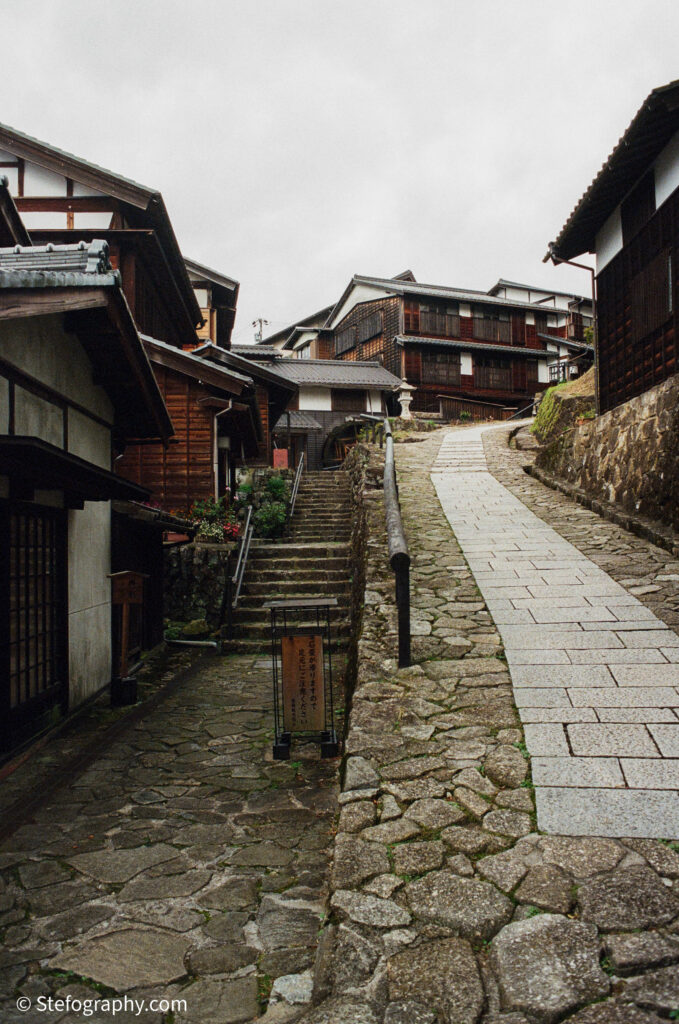
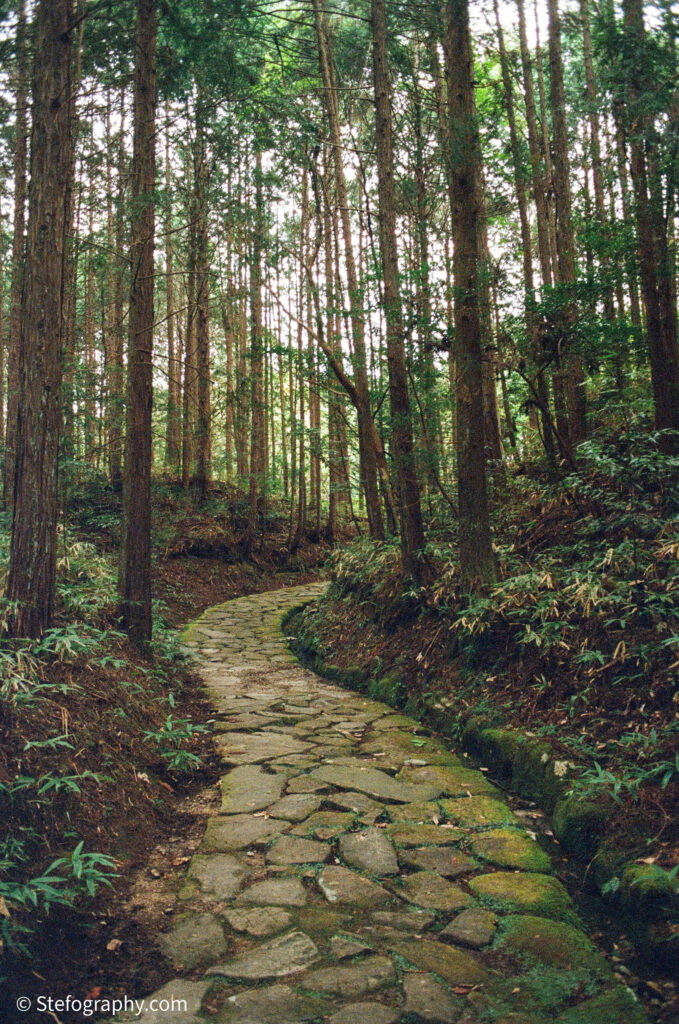
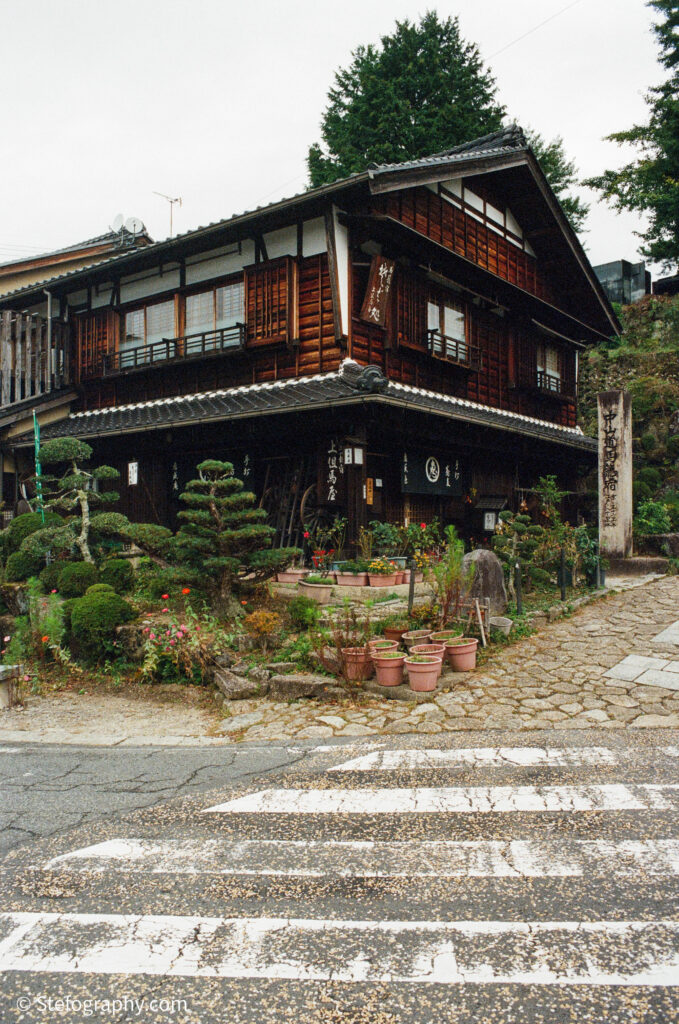
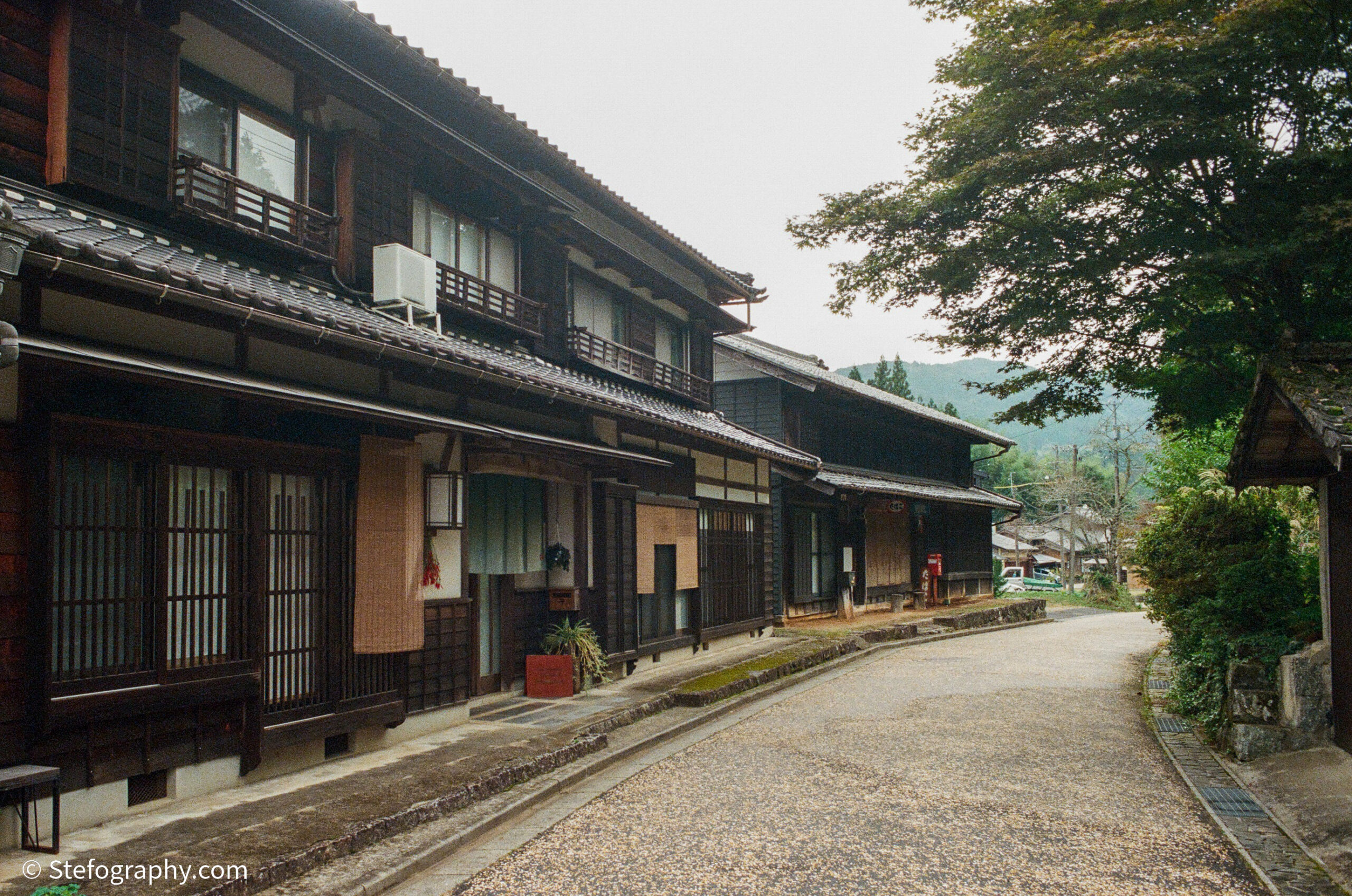
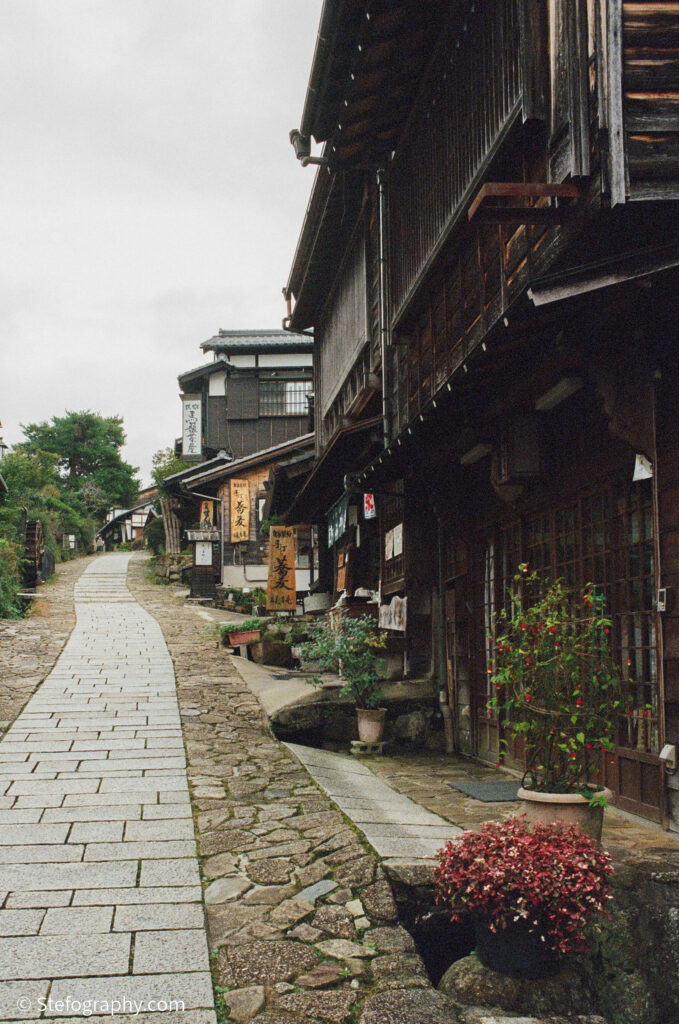
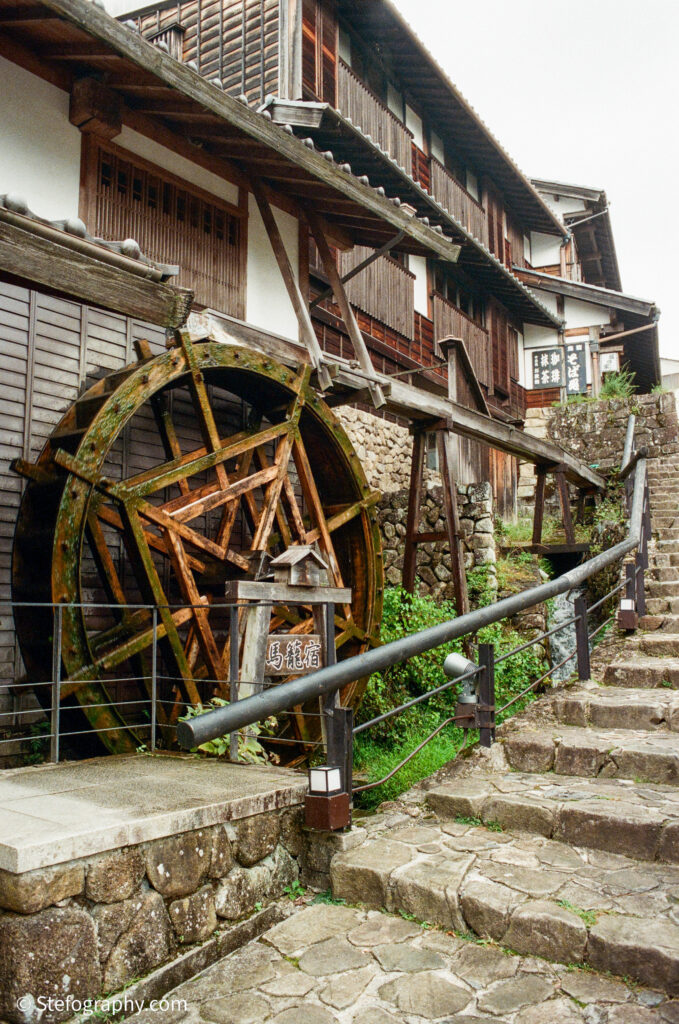
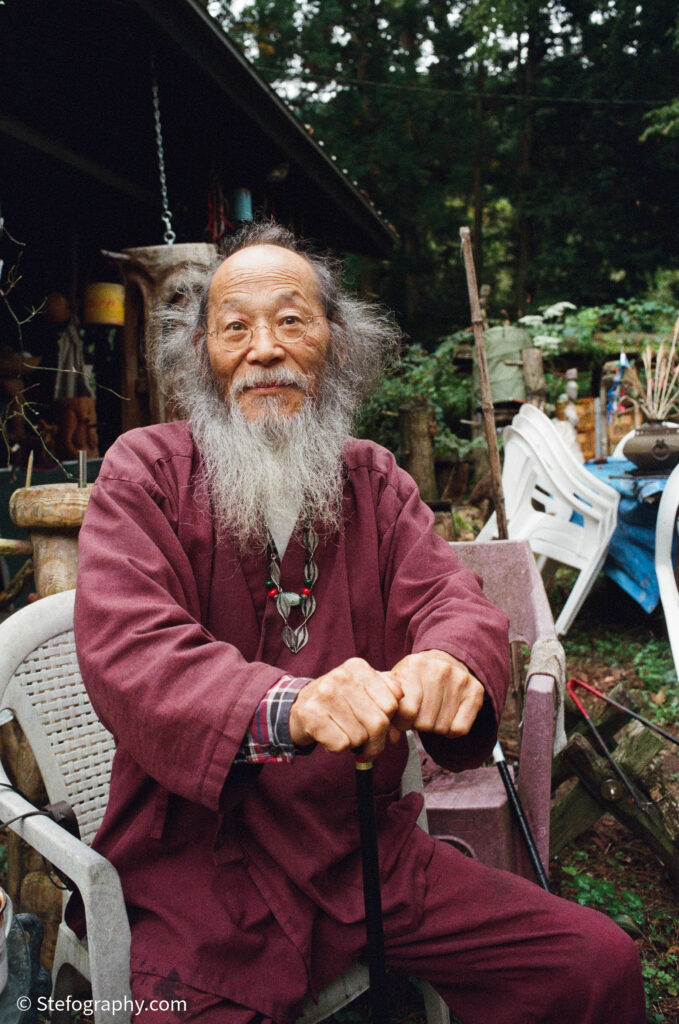
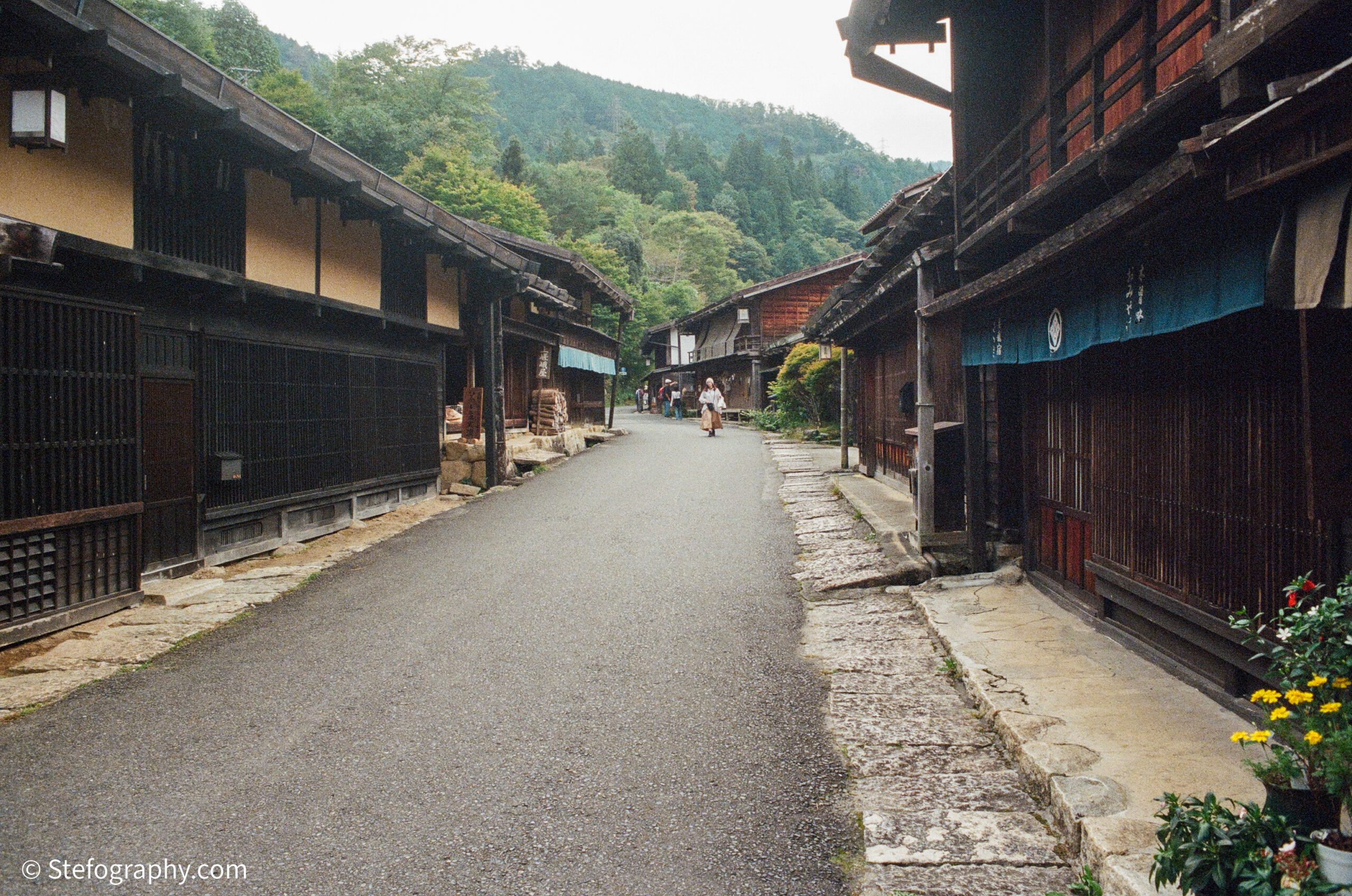
After a rewarding hike through beautiful Japanese landscapes, I arrived in Tsumago-juku, the 42nd post town on the Nakasendō. As it was already later in the day, I wasn’t lucky enough to avoid fellow tourists, but I was still relieved to have avoided any encounters with bears, which are an increasing concern in Japan. The town strictly adheres to a policy of “sell nothing, do nothing, let nothing change,” which has helped preserve its authentic, traditional atmosphere. Walking along its main street, lined with wooden inns and houses, transported me back to the time when it served as a key stopping point for travelers between Kyoto and Edo.
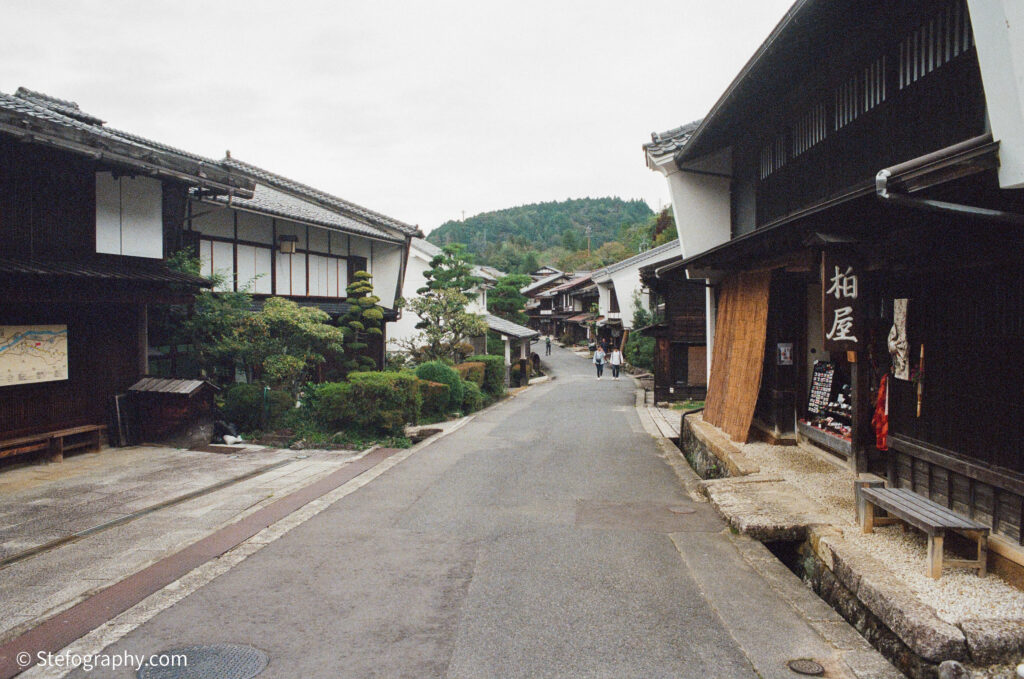
Fukushima Prefecture
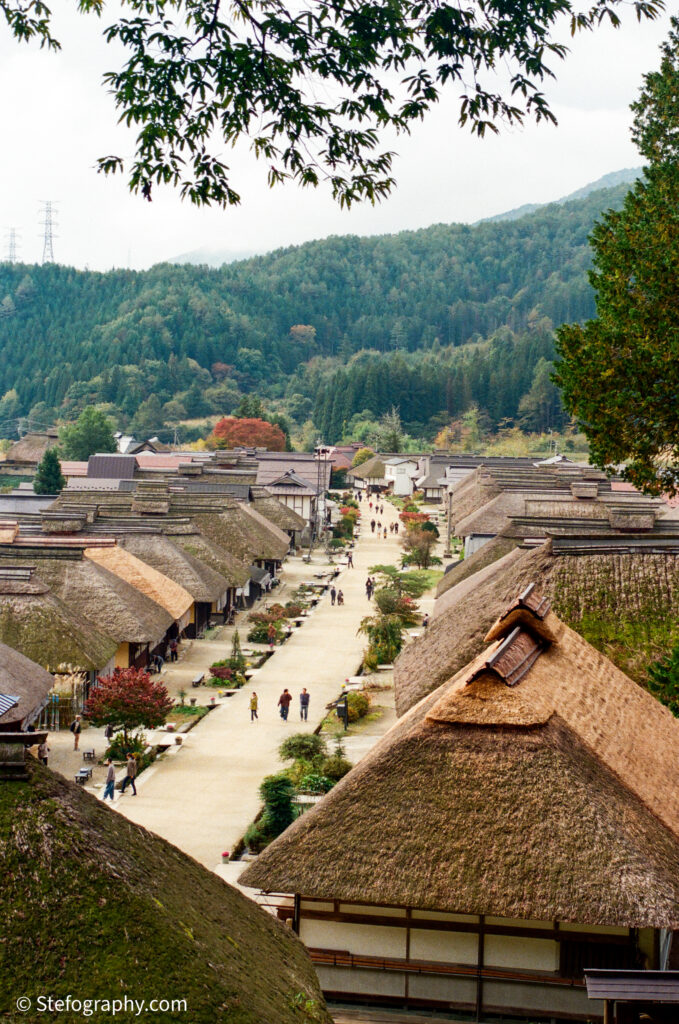
Unfortunately, Fukushima is renowned around the world for the wrong reasons, most notably the nuclear disaster that followed the devastating earthquake in 2011. After a few unsuccessful attempts to get on a train through the Oku-Aizu Valley due to sold-out tickets, I finally managed to visit—not for the events that made it famous worldwide, but for its beautiful nature and for Ōuchi-juku, another village preserved from the Edo period.
Established around 1640 as a rest stop for samurai and travelers along the Aizu-Nishi Kaidō route, Ōuchi-juku has maintained its historical charm by strictly preserving its traditional architecture and way of life. It is remarkably well preserved and offers visitors a peaceful walk back in time.
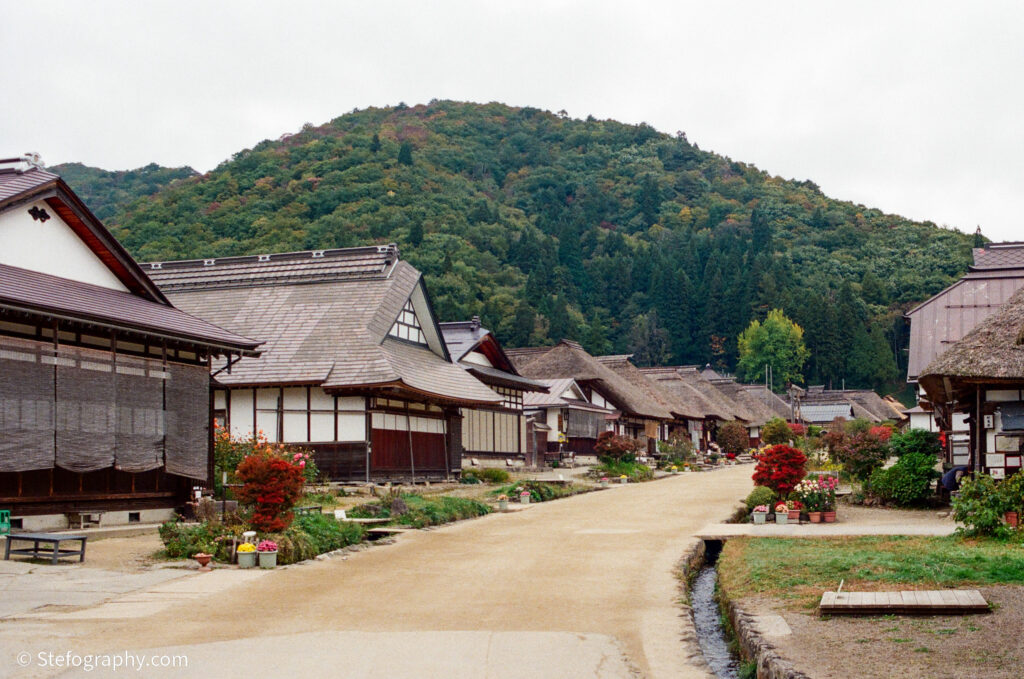
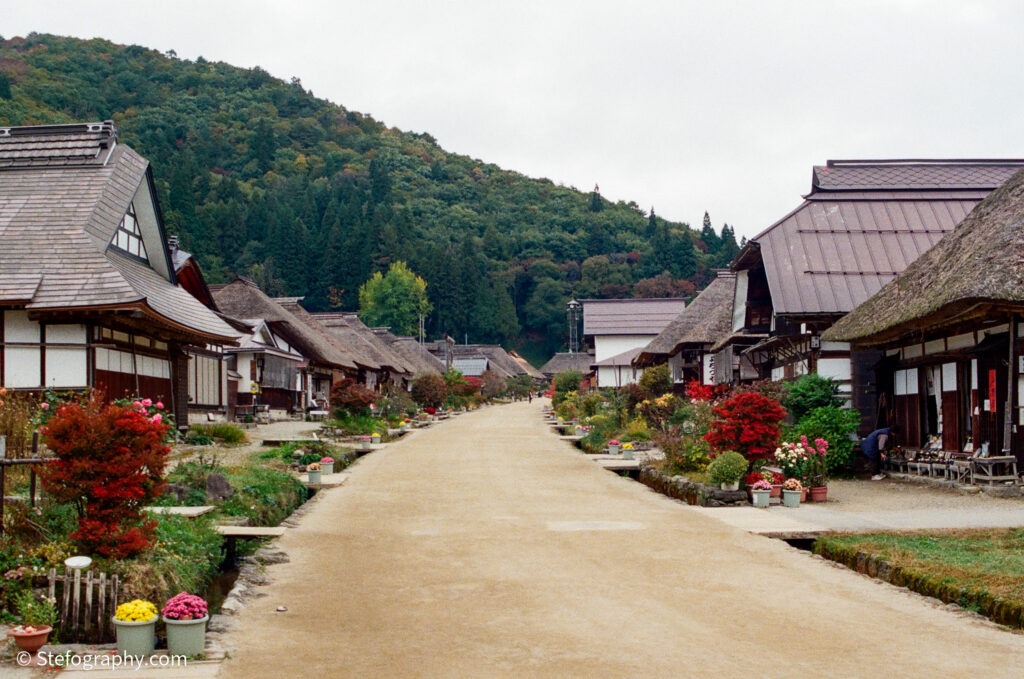
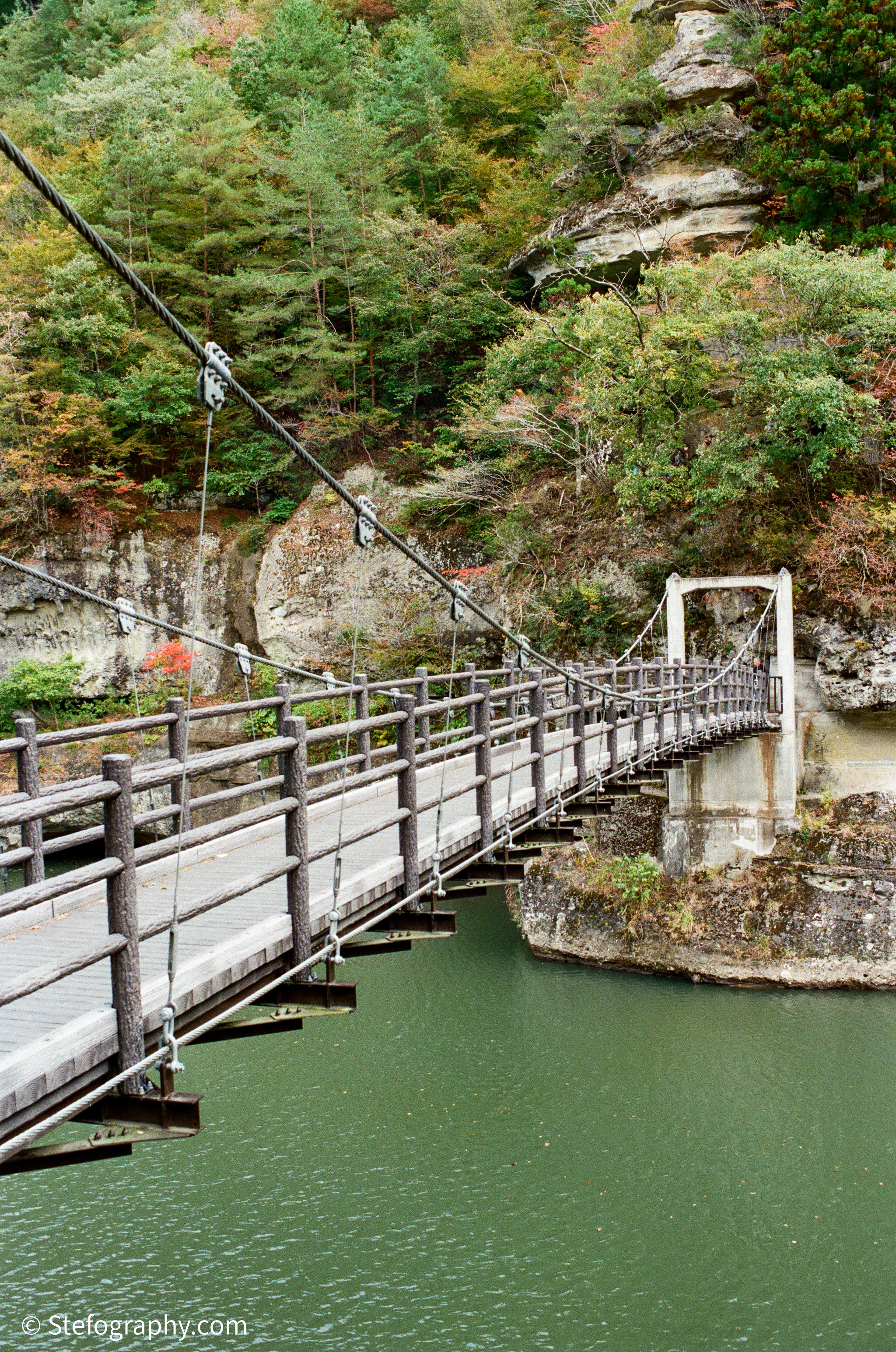
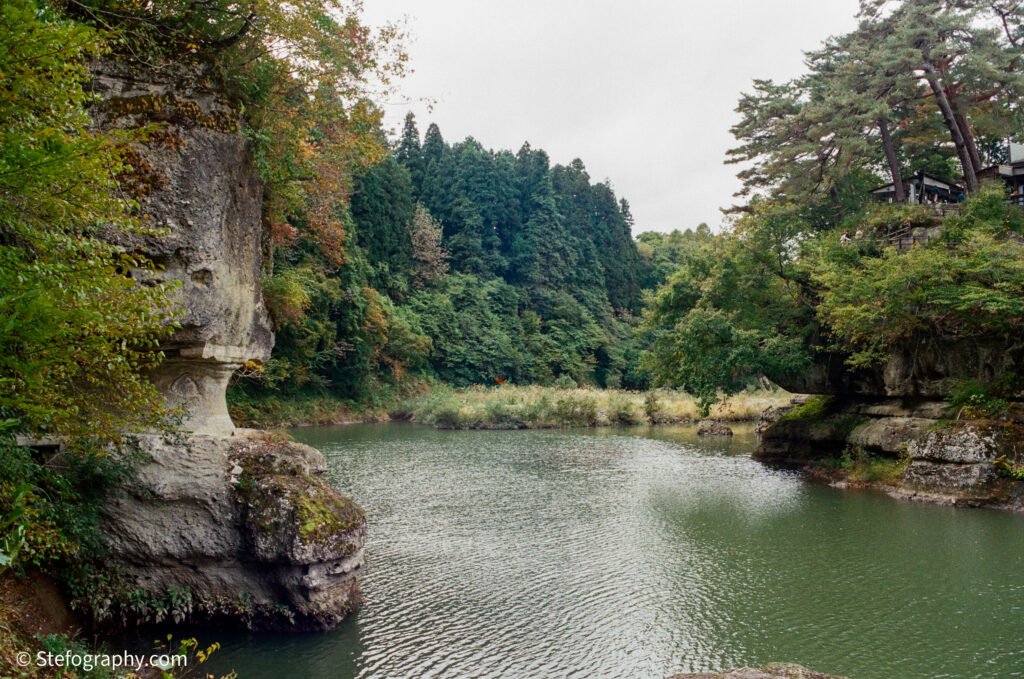
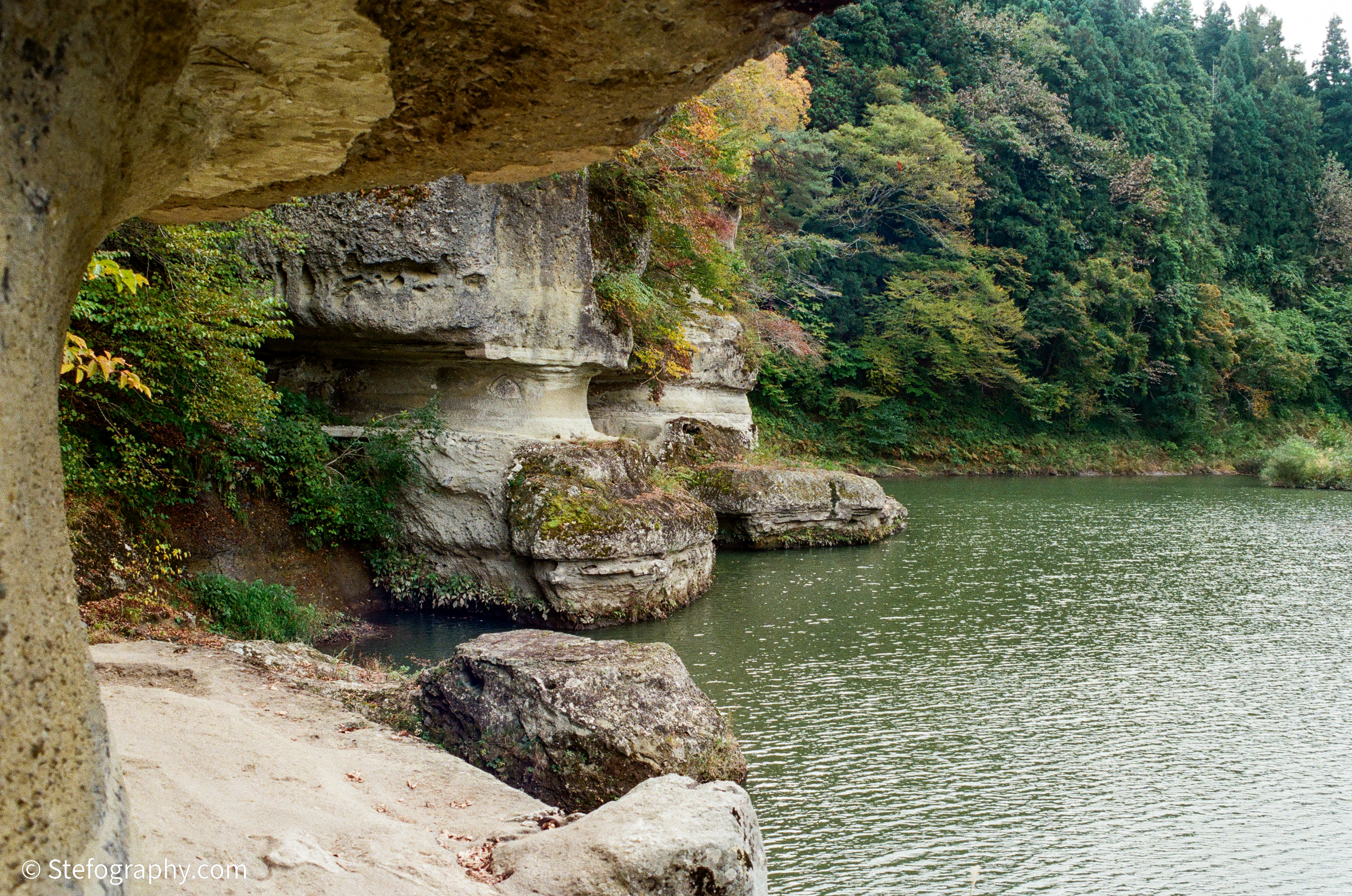
An additional stop after visiting the village was Tō-no-Hetsuri, a picturesque riverside area with rock towers carved into the cliffs by the Ōkawa River around 28 million years ago. Visiting in early autumn added to the atmosphere created by the changing foliage. The site also features a sacred cave that has been used as a place of worship for around 1,200 years, as well as a photogenic suspension bridge crossing the river.
Sawara
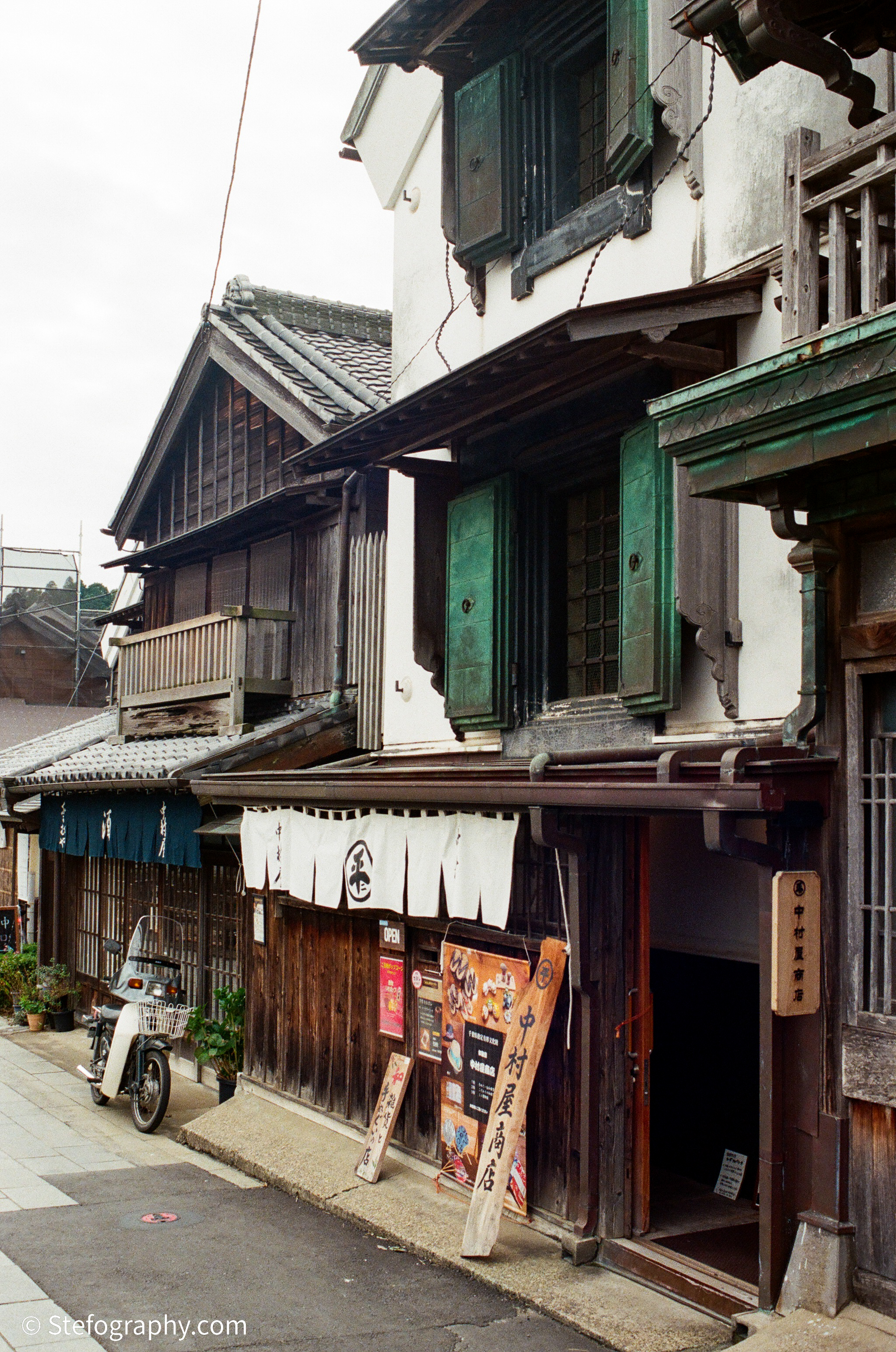
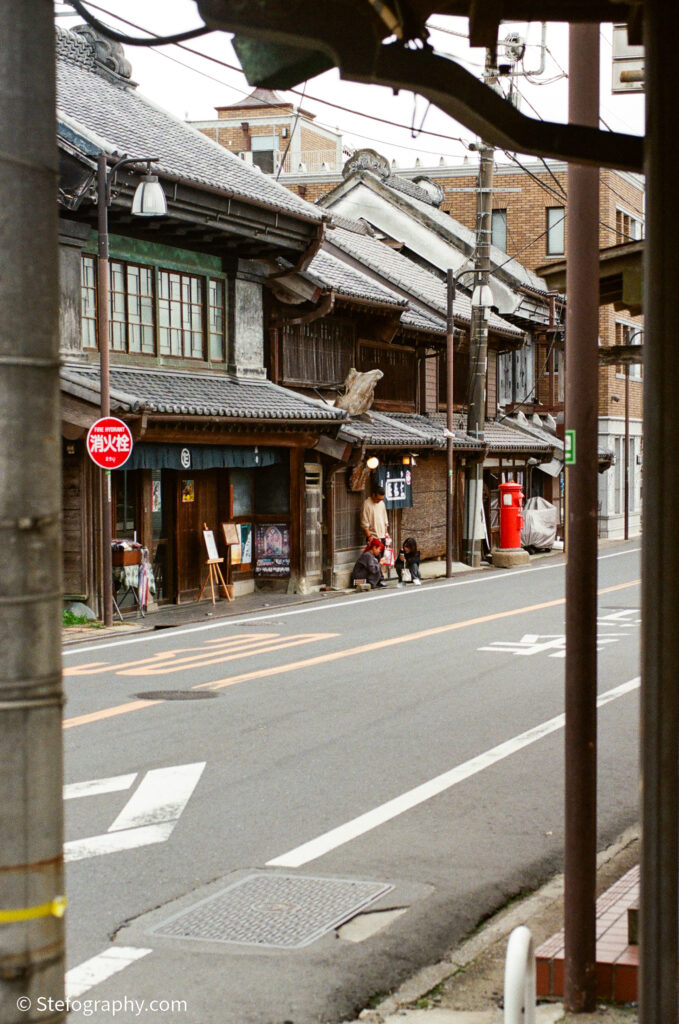
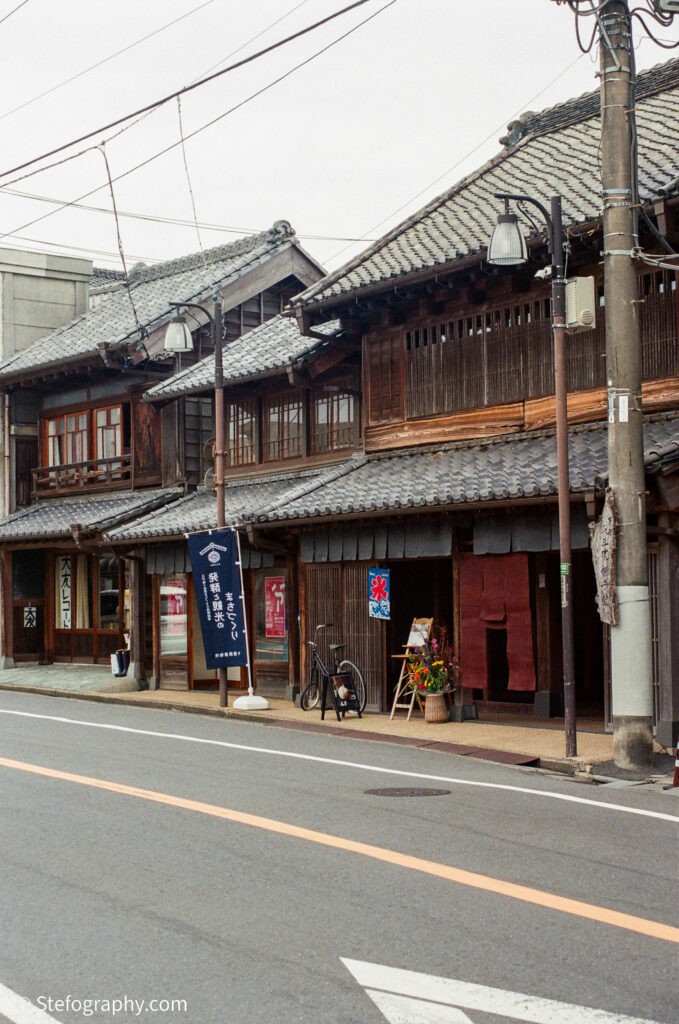
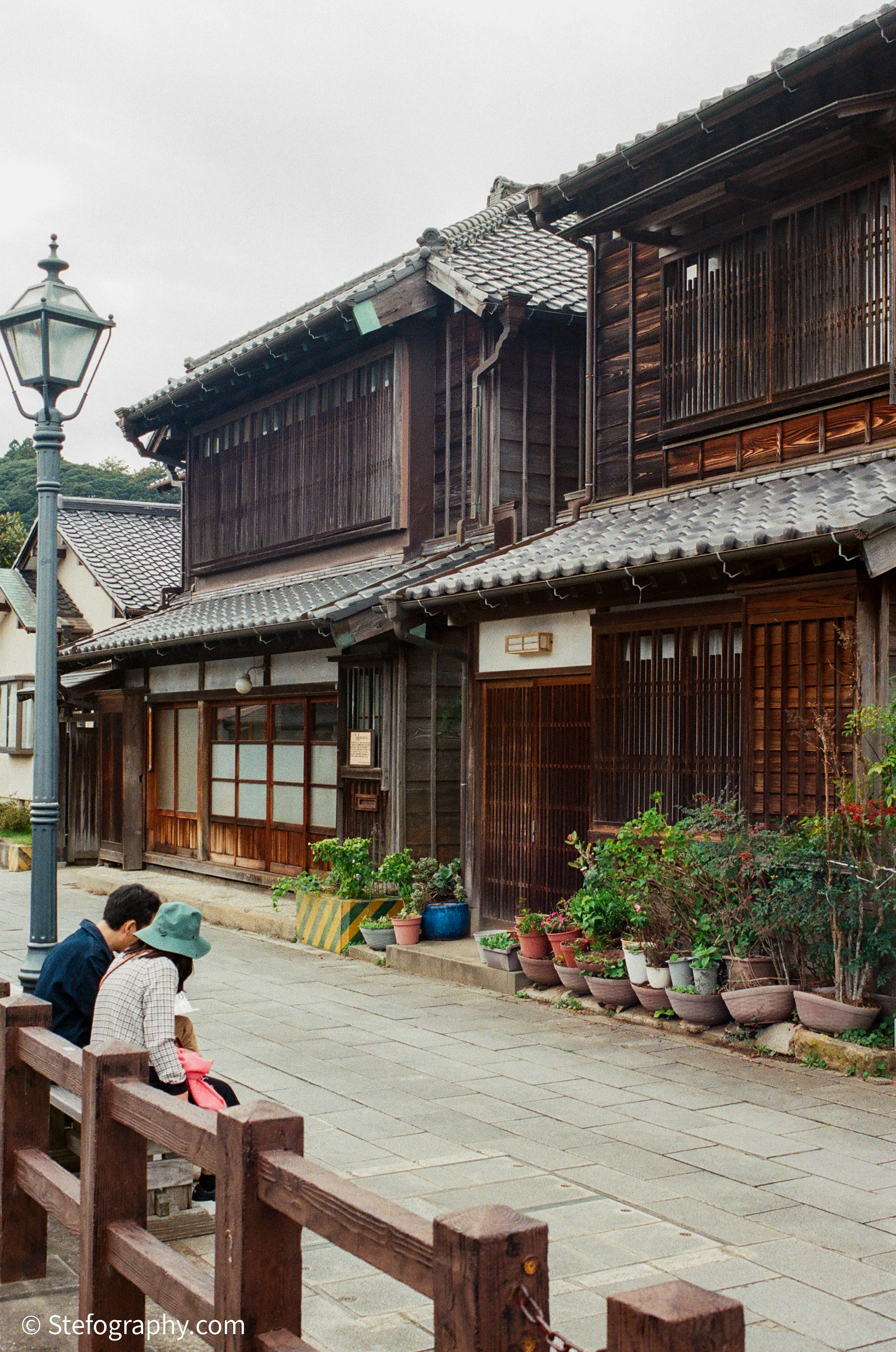
I bet both readers of this blog are getting fed up with Japanese post towns, so I promise this is the last one. Despite its proximity to Tokyo, Sawara is somewhat difficult to reach due to the lack of a convenient train connection. While annoying, this is also a blessing, as it prevents the town from being flooded with day-trippers and keeps it relatively uncrowded.
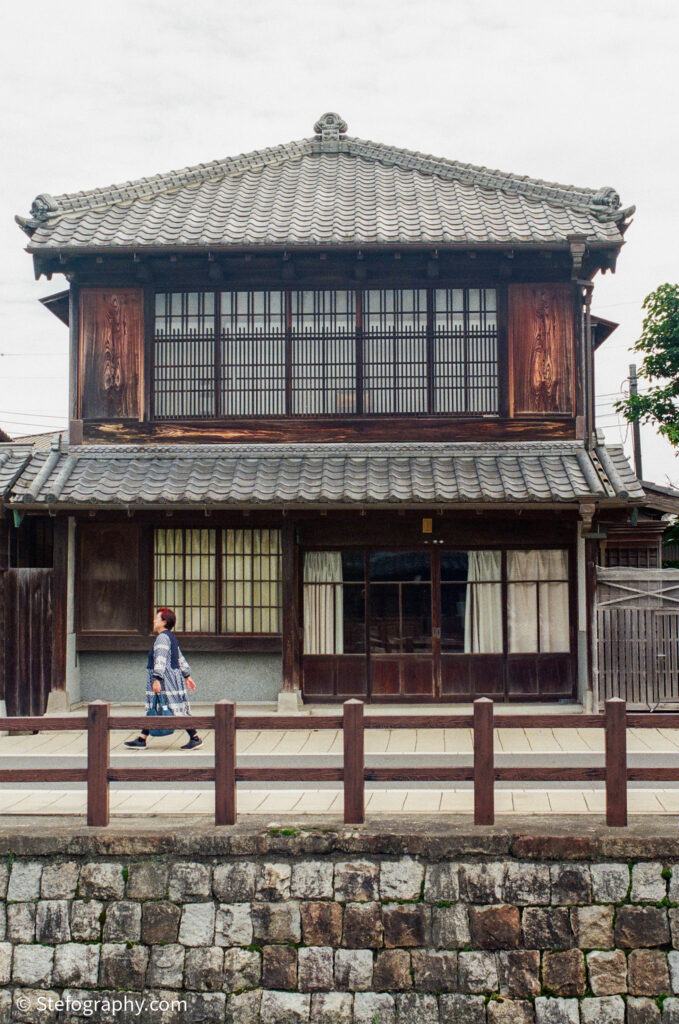
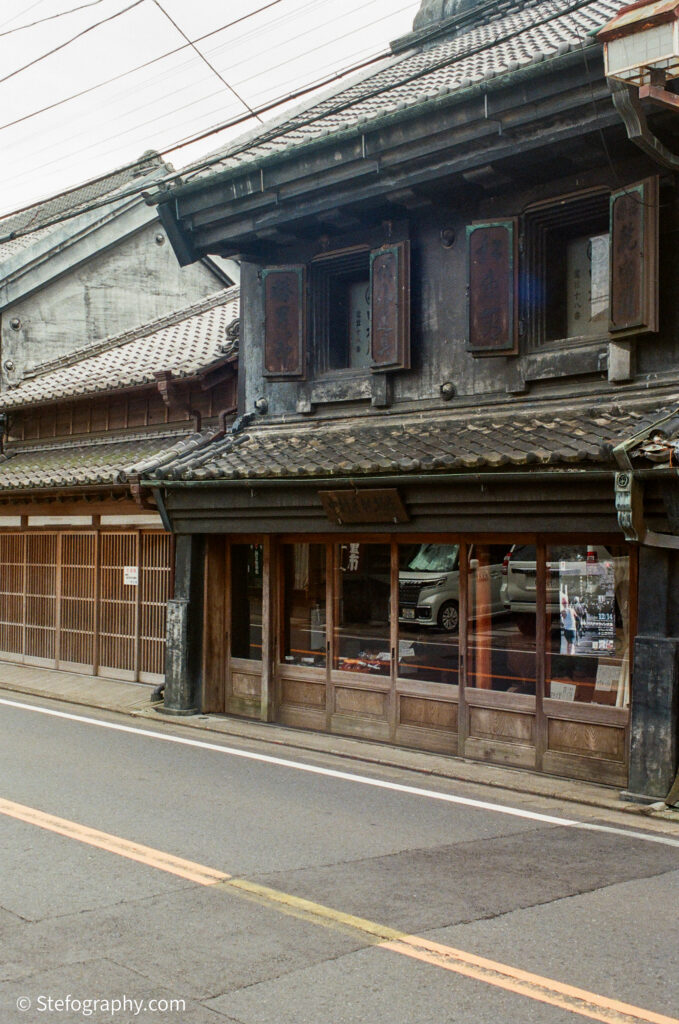
This beautiful hidden gem once again takes us back to the Edo period, when it flourished as a commercial hub. Its prosperity was tied to its role as the “kitchen of Edo,” serving as an important transport center for rice, soy sauce, and sake destined for the capital—then known as Edo, and now as Tokyo. The town’s wealth grew so immense during the 18th and 19th centuries that locals famously claimed it was “more prosperous than Edo itself.”
Even today, it’s still possible to experience remnants of this period by walking along the willow-lined Ōno River, past traditional merchant houses and warehouses. Many of these buildings are still standing, and some have been operated by the same families for over eight generations.